
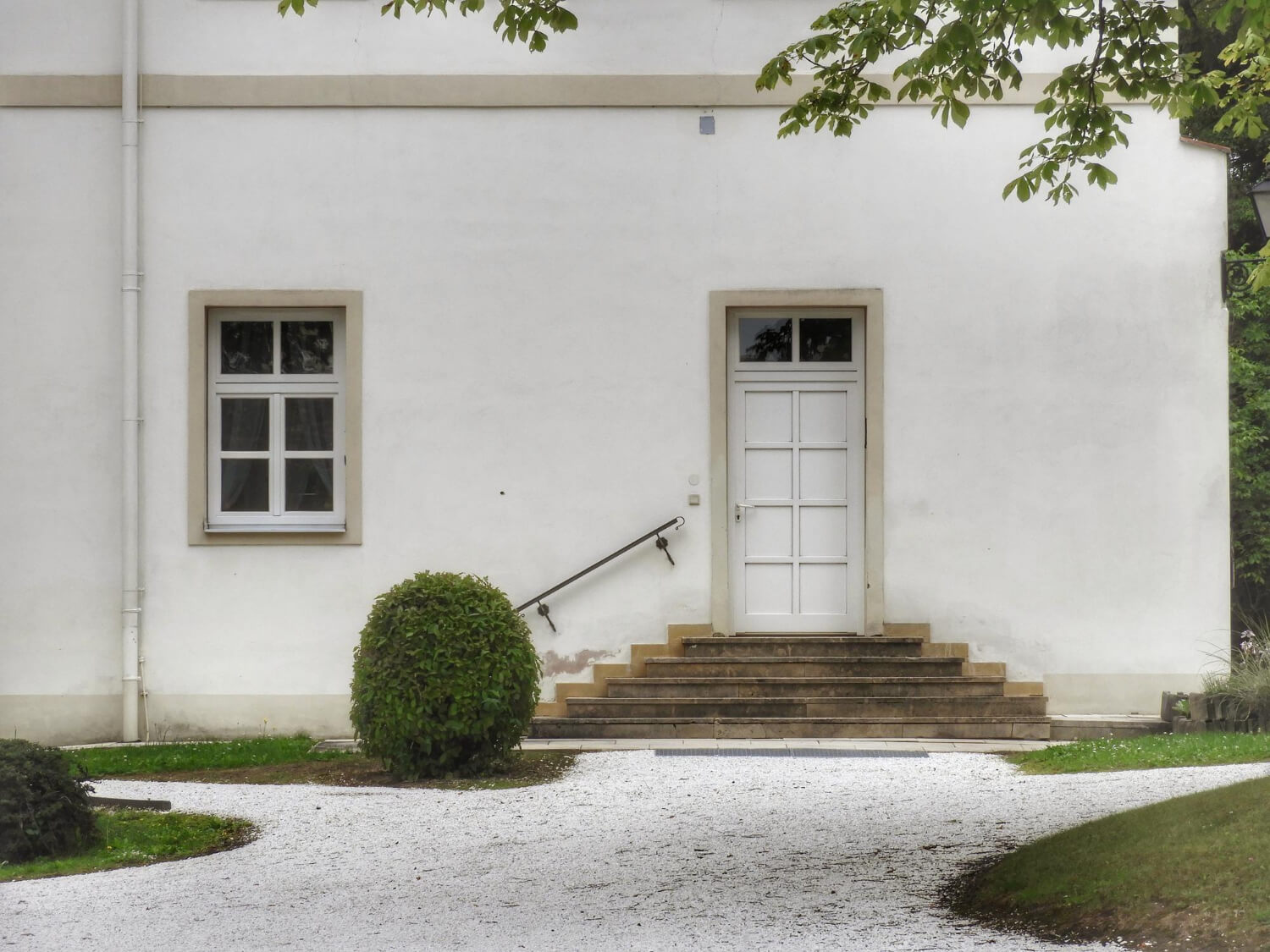
Exterior home finishing is crucial for both aesthetics and protection. The right facade material enhances durability, improves insulation, and adds to the home’s overall value. Choosing the best option depends on climate, budget, and architectural style. In this article, we’ll explore which materials to choose for exterior home finishing, along with their advantages and disadvantages.
1. Stucco
Stucco is a versatile and budget-friendly option for exterior walls.
Advantages:
- Affordable and easy to apply.
- Wide range of textures and colors.
- Breathable – allows moisture to escape, preventing mold buildup.
Disadvantages:
- Requires periodic maintenance and repainting.
- Not resistant to significant structural movement or impacts.
2. Brick
Brick facades offer a classic and highly durable finish.
Advantages:
- Highly durable and weather-resistant.
- Excellent insulation properties.
- Minimal maintenance required.
Disadvantages:
- Higher cost of materials and labor.
- Heavyweight requires a strong foundation.
3. Siding
Siding is one of the most popular choices due to its easy installation and affordability.
Types of siding:
- Vinyl siding – lightweight, moisture-resistant, and cost-effective.
- Metal siding – durable and fire-resistant but may be prone to rust.
- Fiber cement siding – mimics natural materials but is more expensive.
Advantages:
- Easy to install and maintain.
- Protects walls from weather damage.
- Affordable option (especially vinyl).
Disadvantages:
- Vinyl siding may fade under intense sunlight.
- Fiber cement siding is heavy and difficult to install.
4. Natural and Artificial Stone
Stone cladding provides a luxurious and long-lasting exterior.
Advantages:
- Extremely durable and impact-resistant.
- Timeless and elegant appearance.
- Weather and fire-resistant.
Disadvantages:
- Expensive material and labor costs.
- Heavyweight requires reinforced structural support.
5. Wood
Wood siding creates a warm and natural aesthetic for homes.
Advantages:
- Eco-friendly and natural material.
- Great insulation properties.
- Visually appealing for classic and modern designs.
Disadvantages:
- Requires regular sealing and treatment against moisture and pests.
- Higher cost for premium-quality wood.
6. Ceramic Granite (Porcelain Panels)
Ceramic granite panels are a modern, durable facade material.
Advantages:
- Highly resistant to mechanical damage.
- Variety of textures and finishes.
- Resistant to moisture and extreme temperatures.
Disadvantages:
- Higher cost compared to some traditional materials.
- Requires professional installation due to its weight.
Which Material Should You Choose?
The best choice depends on:
- Climate – wood requires extra protection in humid areas, while stone and brick work well in most conditions.
- Budget – stucco and vinyl siding are the most affordable options.
- Durability – brick, stone, and ceramic granite offer the longest lifespan.
- Architectural style – brick and stone fit classic homes, while fiber cement and porcelain panels suit modern designs.
When Should You Hire Professionals?
Professional installation is recommended when:
- You are using heavy materials (stone, brick, ceramic granite).
- Insulation or structural reinforcement is required.
- You want a complex or custom design.
ProFixLA specializes in exterior home finishing in Los Angeles, providing high-quality and durable solutions for homeowners.
Contact Us!
- Phone: +1-747-488-0847
- Telegram Chatbot: ProFixLA Bot
- Website: ProFix LA