
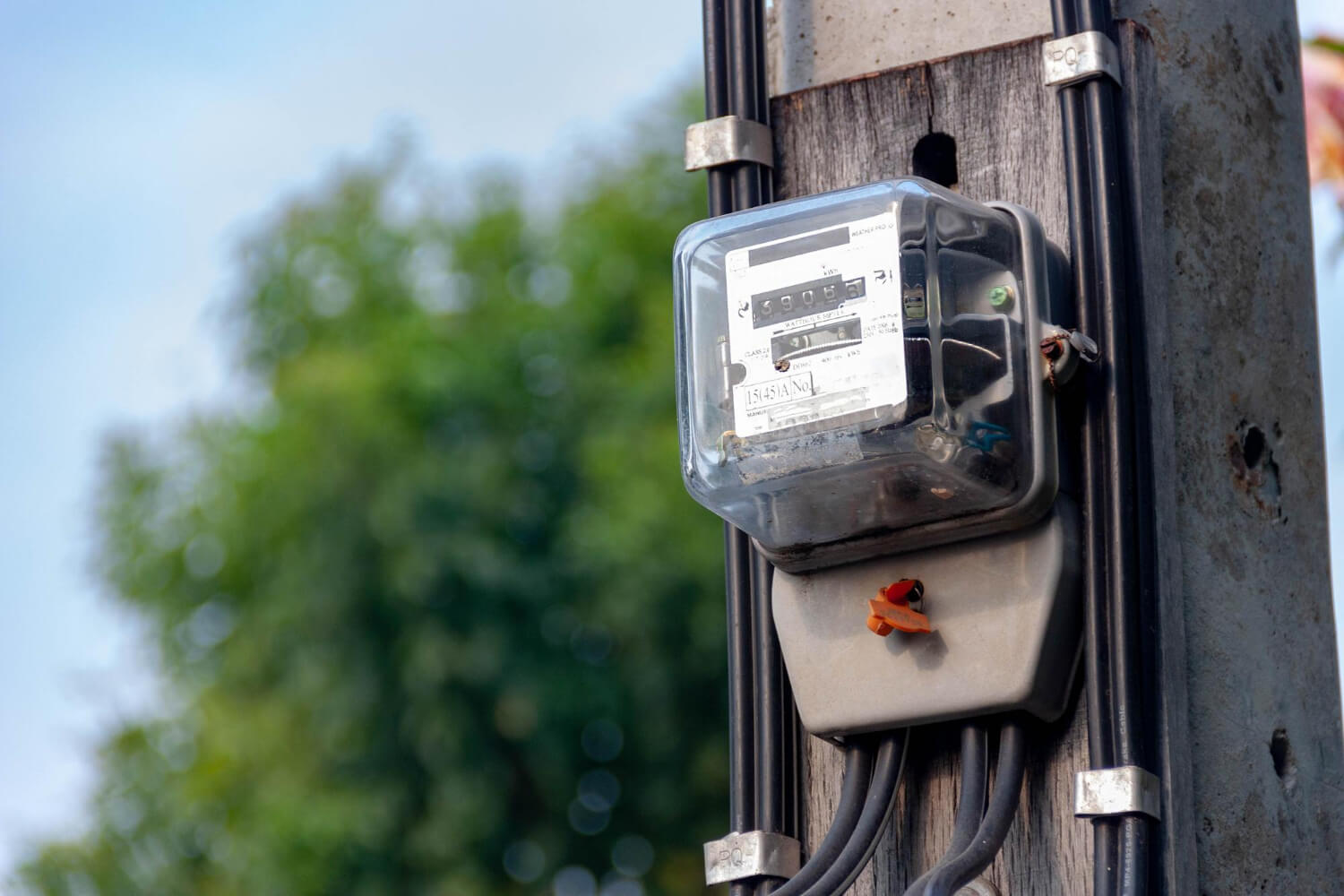
Electric meters are essential devices in any home, used to measure electricity consumption. Sometimes, replacement becomes necessary due to malfunction, modernization, or expired service life. To ensure a smooth and compliant process, it’s important to know the basic rules. In this article, we’ll discuss what you need to know about the installation and replacement of electric meters.
1. Reasons for Replacing an Electric Meter
There are several reasons why you might need to replace your electric meter:
- Malfunction or error: The meter shows inaccurate readings
- Scheduled replacement: The calibration period has expired
- Upgrade: Installing a more modern or smart meter
- Relocation: Moving the meter to a new position
- Utility company requirement: Compliance with updated standards
2. Regulations and Installation Requirements
Before replacing or installing a meter, consider the following regulations:
- The meter must be certified and registered with the relevant authorities
- The installation location should be accessible for reading and maintenance
- Installation must be carried out by a licensed electrician
- Notify your utility provider before making any changes
3. Choosing the Right Electric Meter
Here are the main types of electric meters to consider:
- Analog (mechanical) meters: Reliable but outdated
- Digital meters: Accurate with support for multi-tariff billing
- Smart meters: Allow remote data transmission and monitoring
It is recommended to choose modern digital or smart models that support multi-rate billing and remote reading.
4. Step-by-Step Installation and Replacement Process
Here’s a typical sequence of actions for meter replacement:
- Coordinate with the utility company
- Turn off the main power supply
- Remove the old meter and inspect the wiring
- Install the new meter at the designated location
- Connect the wires correctly and check the connections
- Seal and document the installation
5. Installation Best Practices
Follow these best practices for reliable meter performance:
- Mount the meter at a height of 3–5 feet from the ground
- Ensure the ambient temperature is between -4°F and 122°F (-20°C and +50°C)
- Use a protective enclosure if installed outdoors
6. Testing and Verification
After installation, check the meter for proper operation:
- Verify the readings on the display
- Ensure that the meter correctly measures consumption
- If any irregularities are found, contact a professional immediately
When to Call a Professional?
Installing or replacing an electric meter requires professional skills and adherence to safety standards. ProFixLA offers professional electric meter installation and replacement services in Los Angeles. We ensure compliance with regulations and provide safe, efficient installations.
Contact Us!
- Phone: +1-747-488-0847
- Telegram Chatbot: ProFixLA Bot
- Website: ProFix LA