
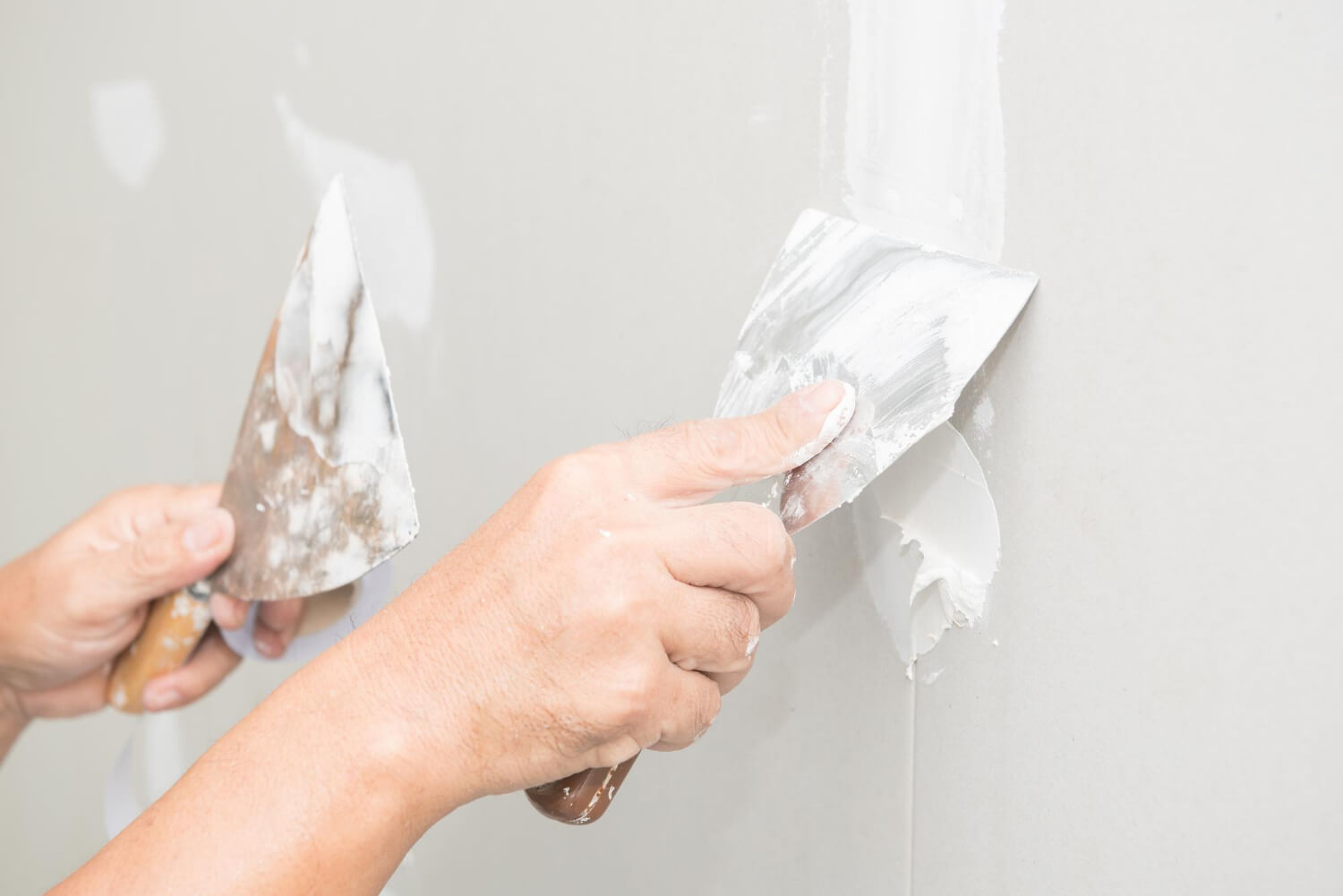
Wall putty is an essential step in surface preparation before painting or wallpapering. However, even minor mistakes can lead to cracks, unevenness, and peeling. In this article, we’ll explore the most common wall putty mistakes and how to fix them to ensure smooth and professional results.
1. Poor Surface Preparation
Mistake: Applying putty on dusty, oily, or damp walls.
How to fix:
- Clean the surface thoroughly from dust, grease, or old paint
- Apply a quality primer before putty application
- Make sure the wall is dry and solid
2. Using Low-Quality or Expired Putty
Mistake: The putty doesn’t adhere well, cracks, or crumbles easily.
How to fix:
- Check the expiration date and storage conditions before use
- Choose reliable brands and products with good reviews
- Mix according to the manufacturer’s instructions
3. Incorrect Mixing Ratio
Mistake: Mixing the putty too thick or too runny reduces its performance.
How to fix:
- Follow the product’s water-to-putty ratio strictly
- Use a mixing tool or electric mixer for even consistency
- Avoid adding water “by eye” — measure accurately
4. Skipping Reinforcement on Cracks
Mistake: Ignoring mesh tape or reinforcement on cracks and joints.
How to fix:
- Apply mesh tape over cracks before puttying
- Embed the tape into the first putty layer
- Once dry, apply a second smooth finishing coat
5. Applying Thick or Uneven Layers
Mistake: Applying a thick or patchy layer leads to drying issues and poor finish.
How to fix:
- Apply thin, even coats — ideally 1–2 mm at a time
- Allow each layer to dry fully before the next
- Use a wide putty knife for smoother coverage
6. Not Allowing Proper Drying Time
Mistake: Painting or wallpapering before the putty is fully dry.
How to fix:
- Wait at least 12–24 hours depending on the product
- Check for cool spots or darker areas which indicate moisture
7. Poor Sanding and Surface Finish
Mistake: Visible lines, scratches, or uneven texture after sanding.
How to fix:
- Use fine-grit sandpaper (P180–P240) for final smoothing
- Sand with light circular motions
- Wipe off dust before applying paint or finish
When Should You Call a Professional?
If your wall has major imperfections, persistent cracking, or signs of peeling, it’s best to call in the experts. ProFixLA provides professional wall preparation and putty application services across Los Angeles. We’ll make your walls perfectly smooth and ready for any finish.
Contact Us!
- Phone: +1-747-488-0847
- Telegram Chatbot: ProFixLA Bot
- Website: ProFix LA