
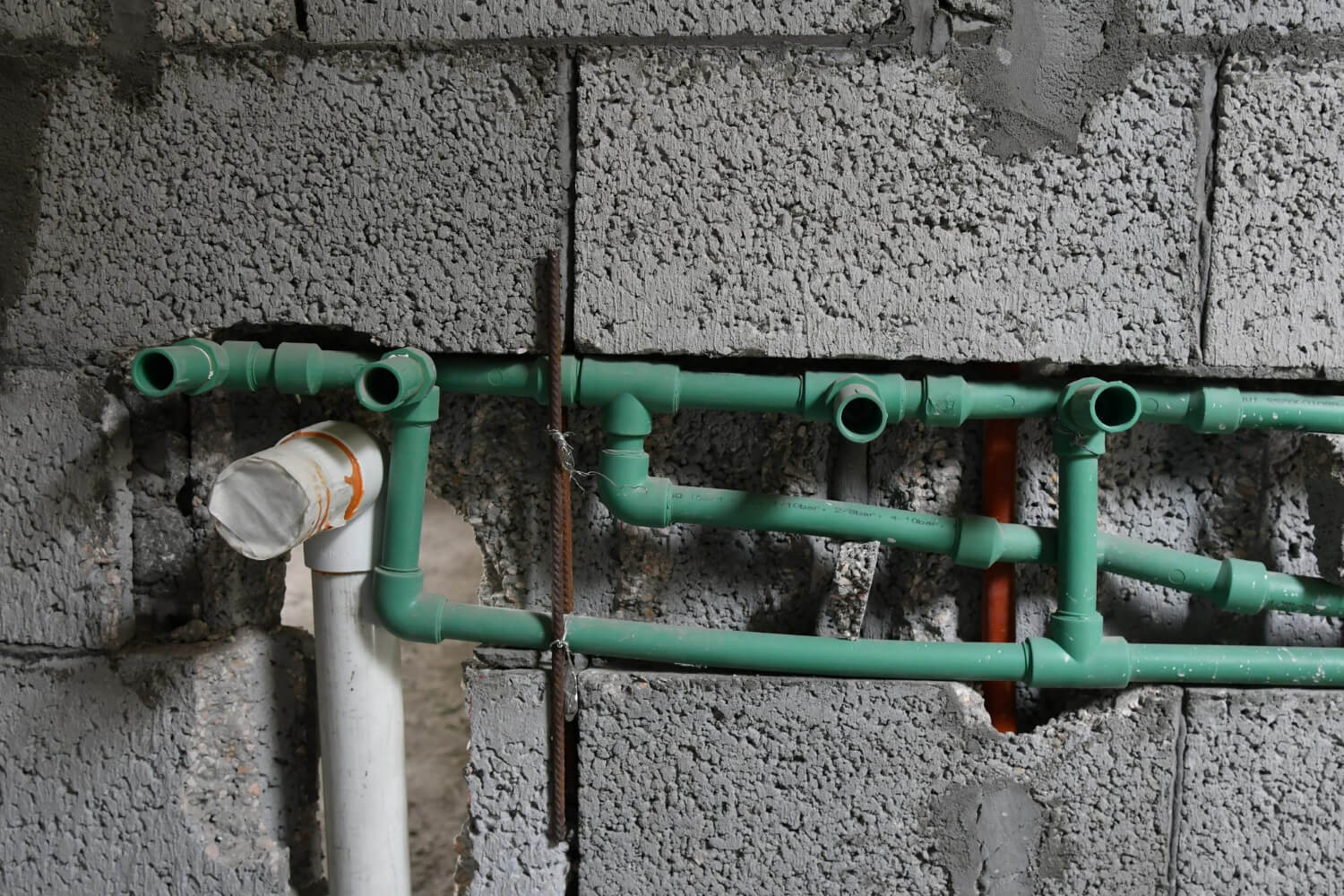
Plumbing pipes naturally wear out over time, leading to leaks, water contamination, and even serious damage to your home. Ignoring signs of deterioration can result in costly repairs. When should you replace old pipes? In this article, we’ll cover the key indicators that your plumbing system needs an upgrade and why timely replacement is crucial for safety and efficiency.
How Long Do Different Types of Pipes Last?
The lifespan of your pipes depends on the material they’re made from:
- Galvanized Steel Pipes: 20–30 years (prone to corrosion and rust over time).
- Copper Pipes: 50–70 years (durable but susceptible to corrosion if water is highly acidic).
- Plastic Pipes (PVC, PEX, Polypropylene): 40–50 years (resistant to corrosion but can degrade with extreme temperature changes).
- Cast Iron Pipes: Up to 100 years (used mainly for drainage, vulnerable to internal corrosion).
Even if pipes seem to last longer, it’s essential to inspect them regularly to ensure they’re functioning safely.
Key Signs That It’s Time to Replace Your Pipes
Several warning signs may indicate that your pipes need replacing. Addressing these issues promptly can prevent significant damage.
1. Frequent Leaks
Recurring water leaks are a clear sign of aging pipes. While temporary repairs might help, the problem will likely continue until the pipes are fully replaced.
2. Low Water Pressure
Old pipes can become clogged with mineral deposits, leading to reduced water pressure. If this issue affects multiple faucets, it may indicate widespread pipe deterioration.
3. Discolored or Rusty Water
If your tap water appears brown, yellow, or has a metallic taste, internal corrosion could be the cause. This can lead to water contamination, posing health risks.
4. Visible Condensation on Pipes
Excessive moisture or condensation on pipes can accelerate corrosion, leading to leaks and mold growth in your home.
5. Unusual Noises in the Plumbing
Strange sounds like banging, gurgling, or whistling can indicate issues such as air pockets, clogs, or pressure irregularities within your pipes.
6. Visible Cracks or Corrosion
If you notice cracks, bulges, or rust spots on exposed pipes, replacement is necessary to prevent sudden failures or bursts.
Dangers of Keeping Old Pipes
Delaying pipe replacement can lead to severe consequences, including:
- Pipe Bursts and Flooding: Sudden failures can cause significant water damage to your home.
- Mold and Mildew Growth: Persistent moisture from leaks fosters mold, which can harm your health.
- Structural Damage: Leaks can weaken walls, floors, and ceilings over time.
- Higher Water Bills: Hidden leaks may cause unexplained increases in your water usage.
When Should You Definitely Replace Pipes?
Certain situations make pipe replacement unavoidable:
- Major Home Renovations: If you’re remodeling, it’s smart to upgrade old pipes to avoid future issues.
- Buying an Older Home: If the house is over 20 years old and the pipes haven’t been updated.
- Visible Signs of Corrosion: Especially in metal pipes prone to rust.
- Frequent Clogs or Backups: If blockages occur regularly, the pipes may be deteriorating from the inside.
Why Hire Professionals for Pipe Replacement?
Replacing pipes is a complex job that requires specialized knowledge and tools. Professional plumbers can:
- Conduct a comprehensive inspection to assess pipe conditions accurately.
- Recommend the best materials suited to your home’s water system.
- Ensure proper installation to prevent leaks, water pressure issues, and code violations.
- Provide a warranty for their work, giving you peace of mind.
Conclusion
Timely pipe replacement is essential for maintaining a safe and efficient plumbing system. If you notice signs of wear, such as leaks, discolored water, or low pressure, don’t delay in scheduling an inspection.
ProFixLA offers expert pipe replacement and installation services. Our professionals will diagnose the problem, recommend durable materials, and complete the job with precision and care.
Contact Us!
- Phone: +1-747-488-0847
- Telegram Chatbot: ProFixLA Bot
- Website: ProFix LA