
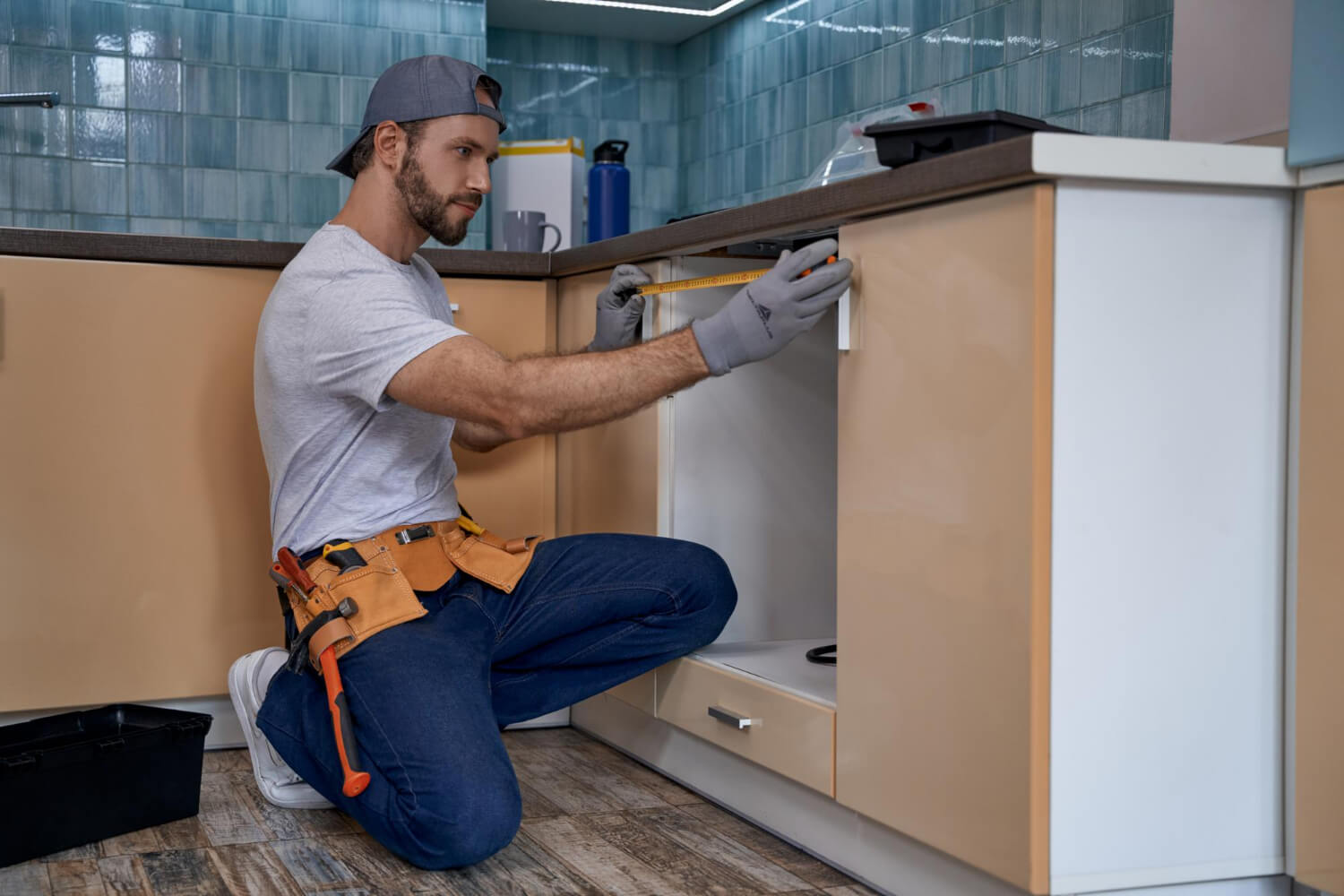
Kitchen appliance installation and connection are crucial steps that affect the performance, safety, and longevity of your appliances. Improper installation can lead to malfunctions, short circuits, or even hazardous situations. In this article, we’ll cover what you need to consider when installing kitchen appliances to ensure they function efficiently and safely.
Which Kitchen Appliances Require Professional Installation?
While some appliances can be set up easily, others require expert assistance to ensure safe and proper installation. These include:
- Built-in appliances: ovens, cooktops, and dishwashers.
- Gas appliances: stoves and cooktops (should be installed only by licensed professionals).
- Large kitchen appliances: refrigerators with water dispensers and ice makers.
- High-power electrical devices: range hoods and microwave ovens with grill functions.
What to Consider When Installing Kitchen Appliances?
To avoid mistakes and potential hazards, follow these essential guidelines:
1. Preparation Before Installation
Before installing any appliance, ensure the proper fit for the space and check for necessary connections such as electrical outlets, water supply, and ventilation.
2. Electrical Safety
High-power appliances should be connected to a dedicated circuit with proper grounding. Install a residual current device (RCD) to prevent electrical faults.
3. Ventilation and Heat Dissipation
Provide adequate ventilation for built-in appliances to prevent overheating, especially for ovens and refrigerators.
4. Follow Manufacturer Guidelines
Always adhere to the installation instructions provided by the manufacturer. Incorrect installation can void the appliance warranty.
5. Protection Against Leaks
When connecting dishwashers or washing machines, use leak-proof hoses and consider installing shut-off valves to prevent water damage.
Specific Guidelines for Different Kitchen Appliances
1. Installing Cooktops and Ovens
These appliances require a dedicated electrical connection with a circuit breaker. Gas cooktops should be installed with leak-proof connections and tested for gas leaks.
2. Refrigerator Installation
Ensure that the refrigerator has adequate space for ventilation. If it has a built-in water dispenser or ice maker, install a water filter for clean water supply.
3. Dishwasher and Washing Machine Installation
Appliances should be securely leveled to prevent vibration. Properly connect the inlet and drain hoses to avoid leaks.
4. Range Hood Connection
Install the hood at a height of 24–30 inches above the cooktop for optimal performance. Ensure the ductwork properly connects to an external vent.
Common Installation Mistakes to Avoid
Many homeowners make mistakes during appliance installation, leading to operational issues. Avoid these errors:
- Lack of grounding when connecting electrical appliances.
- Incorrect water connections without checking system pressure.
- Placing appliances too close to walls, restricting ventilation.
- Using extension cords for high-power devices.
Why Hire a Professional for Kitchen Appliance Installation?
Hiring an expert for installation offers several benefits:
- Safety: Ensures correct electrical and plumbing connections.
- Warranty Protection: Manufacturers may void warranties if appliances aren’t installed by a certified technician.
- Time Savings: Professionals complete the job quickly and efficiently.
- Immediate Functionality Check: Experts test the appliance to confirm proper operation.
Conclusion
Kitchen appliance installation and connection are crucial for ensuring safety, efficiency, and durability. To avoid mistakes and ensure your appliances work properly, trust the installation to experienced professionals.
ProFixLA offers expert kitchen appliance installation and connection services. Our skilled technicians guarantee a safe and high-quality setup for all types of kitchen appliances.
Contact Us!
- Phone: +1-747-488-0847
- Telegram Chatbot: ProFixLA Bot
- Website: ProFix LA