
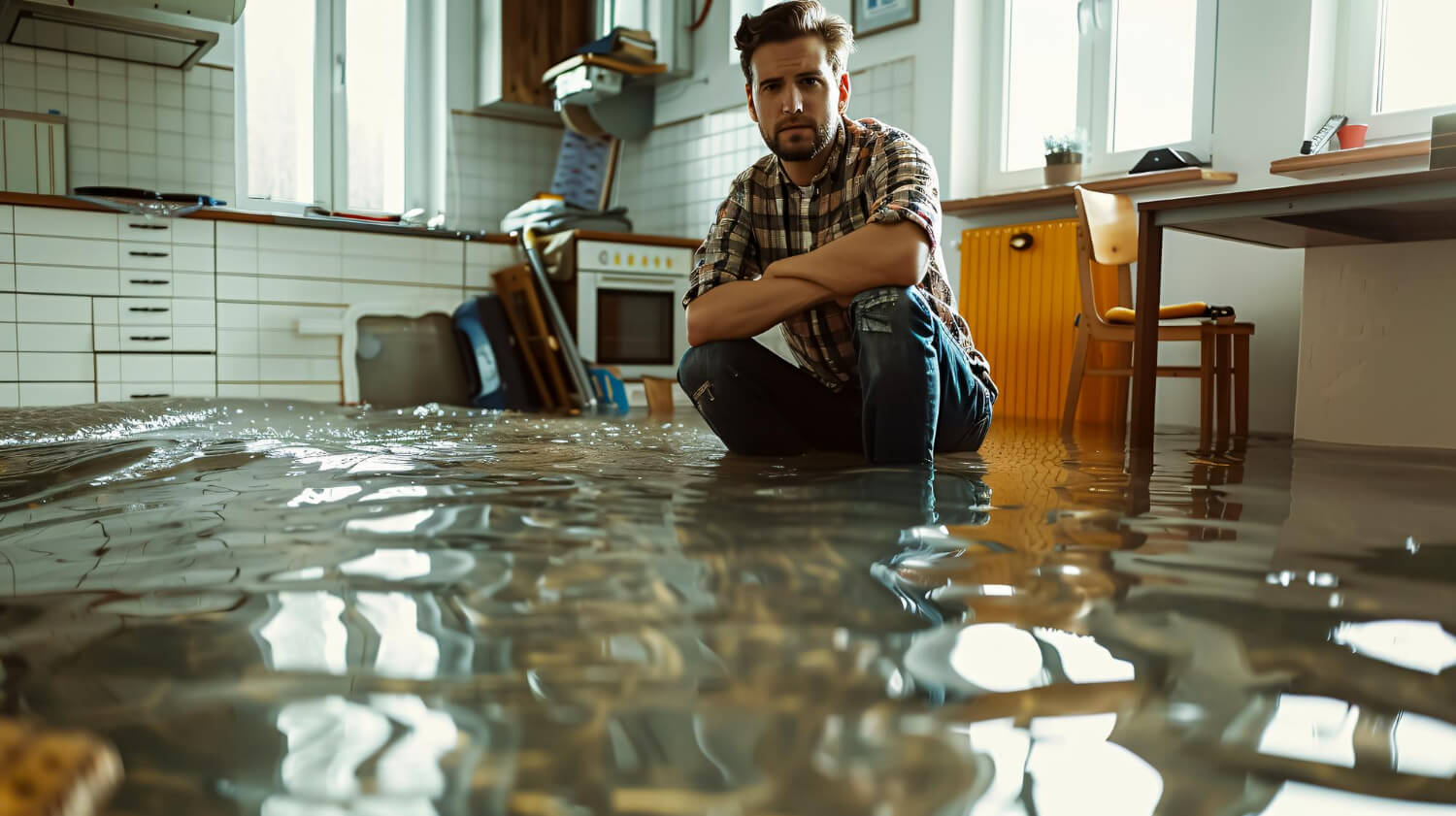
Flooding in your home can cause severe damage to floors, walls, furniture, and electrical systems. After the water has been removed, it’s crucial to start the restoration process as soon as possible to minimize long-term consequences. In this article, we’ll explain how to restore damaged surfaces after a flood and bring your home back to its original condition.
1. Removing Water and Drying the Area
The first and most critical step is to remove excess moisture:
- Use pumps or specialized equipment to extract standing water
- Dry the area using industrial fans and dehumidifiers
- Open windows and use ventilation to speed up the drying process
Important! Do not rush into repairs until the walls and floors are completely dry. Trapped moisture can lead to mold growth and structural damage.
2. Assessing the Damage
Once the area is dry, inspect all affected surfaces:
- Floors: Look for swelling, warping, or mold stains
- Walls: Check for damp spots, cracks, and deformations
- Electrical systems: Inspect for short circuits or damaged wiring
3. Cleaning and Disinfection
Flooded surfaces require thorough cleaning and sanitation:
- Remove dirt and debris from floors and walls
- Disinfect with antimicrobial solutions to prevent mold growth
- Use chlorine-based or alcohol-based disinfectants for maximum efficiency
4. Repairing Walls and Ceilings
If drywall has absorbed moisture, replacement might be necessary:
- Cut out damaged sections of drywall
- Inspect the wall frame for rust or rot
- Apply mold-resistant primers before repainting or re-covering
5. Restoring Floors and Floor Coverings
Depending on the material, follow these steps:
- Laminate: Remove warped planks and replace with new ones
- Hardwood: Sand and refinish or replace severely damaged boards
- Tile: Check for loose or cracked tiles and regrout if needed
6. Inspecting and Repairing Electrical Systems
Electrical components exposed to water can pose serious hazards:
- Check outlets and switches for corrosion or damage
- Replace compromised wires and connectors
- Hire a licensed electrician for a full safety inspection
7. Preventing Future Flood Damage
Once repairs are complete, take measures to minimize future risks:
- Install water leak detectors and automatic shut-off valves
- Maintain your drainage system and check for clogs
- Inspect plumbing fixtures regularly for leaks or signs of wear
When to Call Professionals?
Repairing flood damage is a complex process that requires accurate diagnosis and professional expertise. ProFixLA offers comprehensive post-flood restoration services in Los Angeles, ensuring fast and effective recovery while minimizing health risks.
Contact Us!
- Phone: +1-747-488-0847
- Telegram Chatbot: ProFixLA Bot
- Website: ProFix LA