
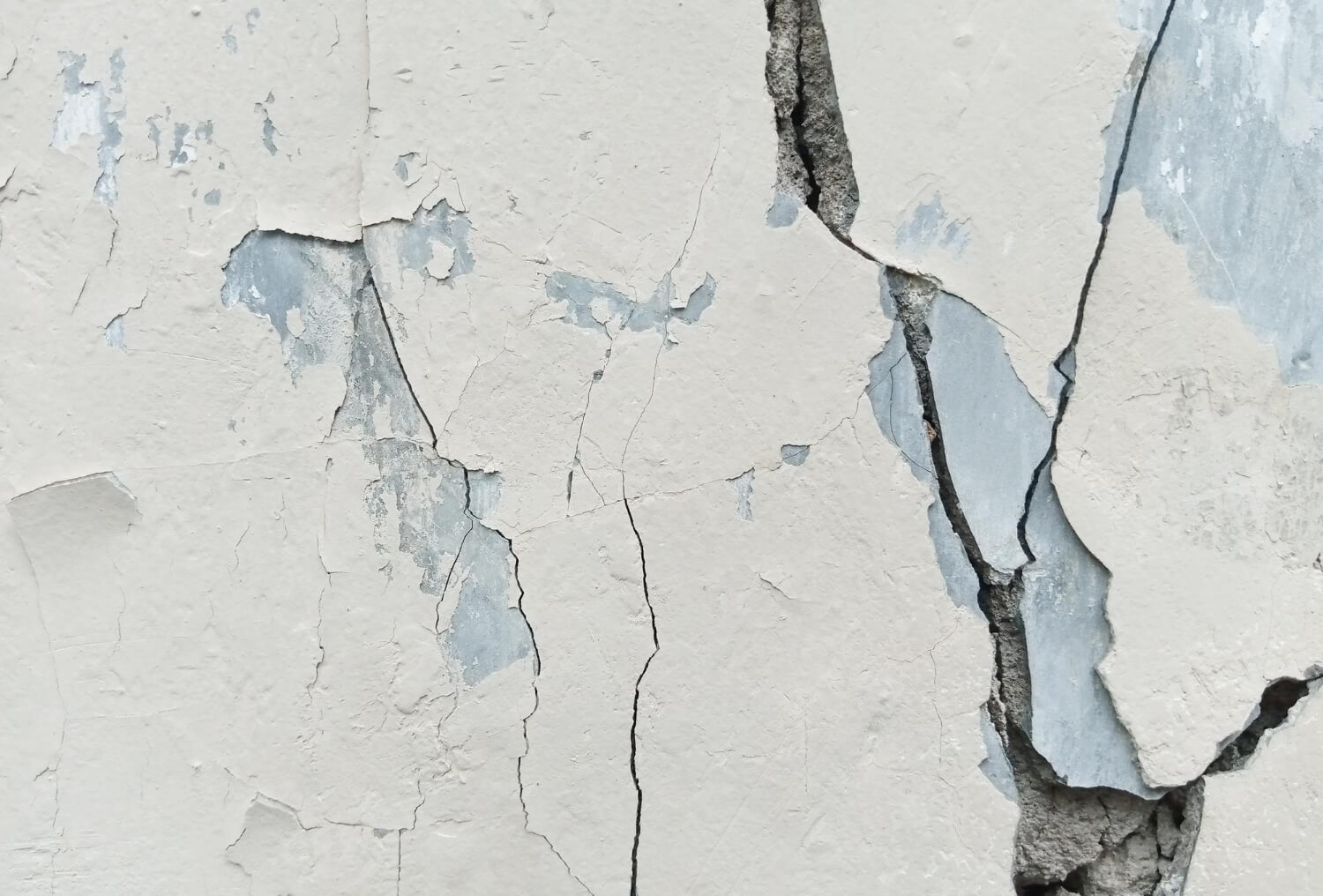
Wall cracks are a common issue that can be caused by foundation settling, improper construction, or environmental factors. While some cracks are purely cosmetic, others may indicate serious structural problems. In this article, we’ll explain what to do if cracks appear in walls, the potential causes, and the best ways to repair them.
1. Why Do Cracks Appear in Walls?
Before repairing a crack, it’s important to identify the cause. The most common reasons include:
- Natural settling of the building – new homes often develop minor cracks as materials adjust.
- Temperature and humidity changes – expansion and contraction of materials due to seasonal shifts.
- Poor construction techniques – improper drywall installation, weak plaster, or uneven brickwork.
- Foundation problems – soil movement or improper foundation installation.
- External vibrations – nearby heavy traffic, earthquakes, or ground movement.
2. How to Identify Dangerous Cracks?
Cracks can be categorized into two types:
1. Minor (Superficial) Cracks
- Small cracks in plaster or drywall.
- Do not grow in size over time.
- Limited to the surface layer, not affecting the structure.
These can usually be repaired with simple patching techniques.
2. Structural (Serious) Cracks
- Cracks wider than 5 mm.
- Extend through plaster and into the wall itself.
- Gradually increase in size over time.
If you notice serious cracks, consult a professional for a thorough assessment.
3. How to Repair Minor Wall Cracks?
If the crack does not affect the building’s structure, you can fix it yourself:
1. Surface Preparation
- Remove dust and loose particles from the crack using a scraper or brush.
- Widen the crack slightly to allow better adhesion.
- Apply a primer to improve adhesion.
2. Filling the Crack
- Use spackle for interior walls or cement-based filler for exterior walls.
- Apply the filler with a putty knife and smooth it out.
- After drying, sand the surface and apply the final coat of paint or wallpaper.
4. How to Repair Deep Cracks?
Deep cracks require more advanced repair techniques:
- Widen the crack to 1-2 cm for proper filling.
- Use reinforcement mesh if the crack runs through plaster.
- Fill the crack with high-strength repair compound or flexible sealant.
- After drying, apply a finishing coat.
5. How to Prevent Future Cracks?
To minimize the risk of new cracks:
- Use high-quality materials during construction or renovation.
- Maintain proper humidity levels indoors.
- Ensure that the foundation is stable before building.
- Regularly inspect the structural integrity of walls and foundations.
When Should You Call a Professional?
Contact a professional if:
- The crack is rapidly growing in width or length.
- It extends through load-bearing walls.
- Doors and windows no longer fit properly due to shifting walls.
ProFixLA provides expert wall crack assessment and repair services. Our specialists will determine the cause of the cracks and offer the best solution for long-lasting results.
Contact Us!
- Phone: +1-747-488-0847
- Telegram Chatbot: ProFixLA Bot
- Website: ProFix LA